
Contents
- 📋 Prerequisites & What You Need
- 🔧 Step 1: Tuning Your Guitar
- ⚙️ Step 2: Holding the Guitar and Basic Hand Positions
- 🎯 Step 3: Learning Basic Chords
- ✅ Step 4: Strumming and Picking
- 🚀 Step 5: Playing Simple Songs
- ⚠️ Common Mistakes & How to Avoid Them
- 💰 Cost & Time Breakdown
- 📊 Expected Results & Metrics
- 💡 Pro Tips & Advanced Techniques
- Frequently Asked Questions
- References
- Related Topics
Overview
This comprehensive guide teaches you how to play guitar, covering the basics of guitar anatomy, tuning, chords, strumming, and picking. We'll explore the history of the guitar, from its origins as a guitarra latina to its modern forms, including the acoustic guitar and electric guitar. You'll learn how to hold the guitar, tune it, and play simple chords. By the end of this guide, you'll be able to play simple songs and have a solid foundation for further learning. With the help of online resources like YouTube and Guitar Tricks, you'll be well on your way to becoming a skilled guitarist.
📋 Prerequisites & What You Need
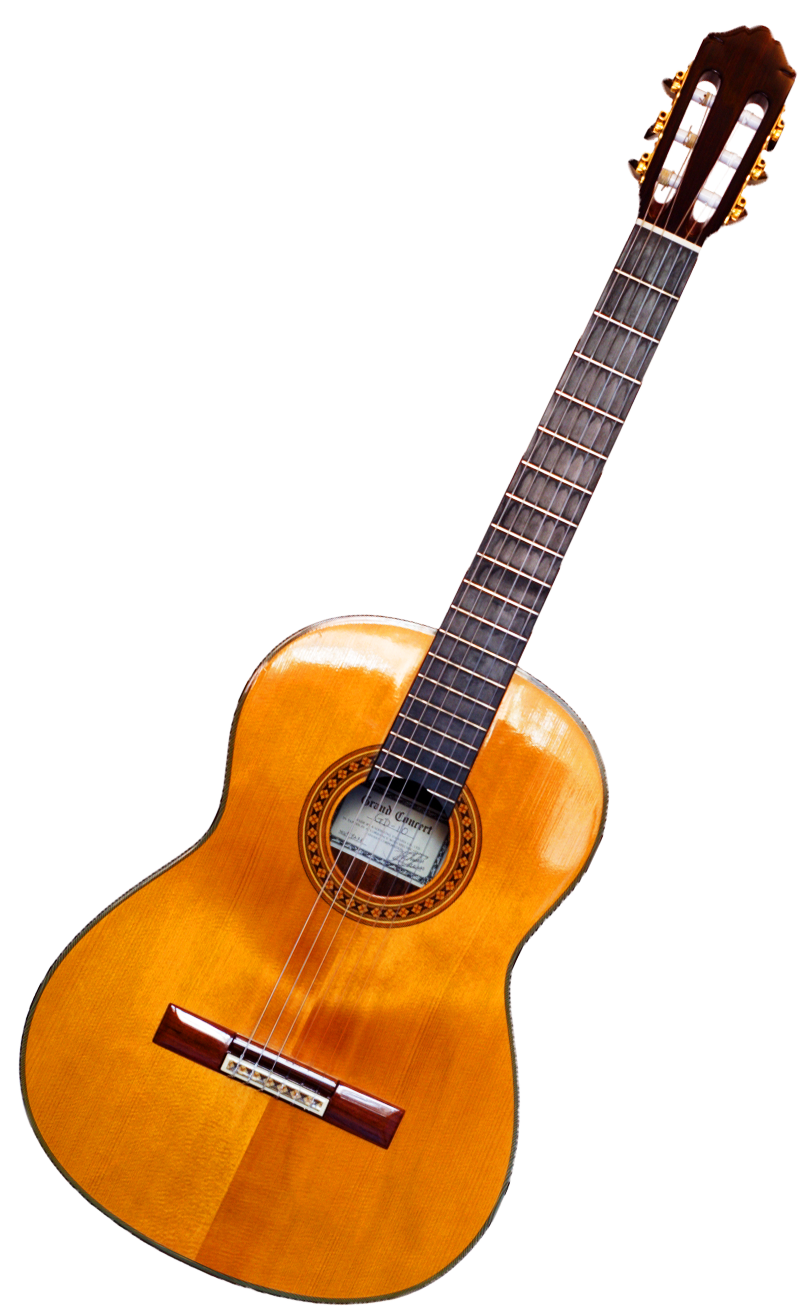
To start playing guitar, you'll need a few basic things: a guitar, a tuner, and a pick. You can choose between an acoustic guitar and an electric guitar, depending on your personal preference and the type of music you want to play. Make sure to research and understand the differences between nylon strings and steel strings before making a purchase. You can also consider factors like the guitar's action and intonation to ensure that it plays smoothly and sounds great.
🔧 Step 1: Tuning Your Guitar
Tuning your guitar is the first step to playing. You can use a tuner or tune by ear. You can use online resources like Tuner or Guitar Tuna to help you tune your guitar. Remember to tune your guitar regularly to keep it sounding its best.
⚙️ Step 2: Holding the Guitar and Basic Hand Positions
Holding the guitar and basic hand positions are crucial for playing. Hold the guitar flat against your body, with the neck at a slight angle. Place your left hand on the neck and your right hand on the body. Make sure to keep your hands relaxed and your fingers curled. You can watch videos of professional guitarists to get an idea of proper hand positioning. You can also learn about different playing styles, such as fingerstyle and palm muting, to add variety to your playing.
🎯 Step 3: Learning Basic Chords
Learning basic chords is the next step. Start with simple chords like C, G, and Am. Practice changing between chords smoothly and quickly. You can use online resources like Guitar Tricks or Justin Guitar to learn new chords and techniques. You can also learn about chord theory and how to create your own chord progressions using tools like chord progressions and key signatures.
✅ Step 4: Strumming and Picking
Strumming and picking are essential techniques for playing guitar. Start with basic strumming patterns and practice picking individual strings. You can use a pick or your fingers to strum and pick. Experiment with different techniques and find what works best for you. You can learn about different picking styles, such as down picking and up picking, to add variety to your playing.
🚀 Step 5: Playing Simple Songs
Playing simple songs is the final step. Start with simple songs that use the chords you've learned. Practice playing along with recordings or metronomes to improve your timing. You can find simple song tabs and chords on websites like Ultimate Guitar or Songsterr. You can also learn about song structure and how to create your own songs using tools like song structure and lyric writing.
⚠️ Common Mistakes & How to Avoid Them
Common mistakes to avoid include pressing the strings too hard, which can cause discomfort and affect the sound. Make sure to keep your hands relaxed and your fingers curled. Another common mistake is not tuning your guitar regularly, which can affect the sound and playability. You can learn from online resources like Guitar World or Premier Guitar to avoid common mistakes and improve your playing. You can also learn about guitar maintenance and how to keep your guitar in good condition using tools like guitar setup and string changing.
💰 Cost & Time Breakdown
The cost of learning to play guitar can vary depending on the type of guitar and equipment you choose. You can find free resources on websites like YouTube or Guitar Tricks.
📊 Expected Results & Metrics
With regular practice, you can expect to see improvement in your playing. You can track your progress by recording yourself playing and listening back to identify areas for improvement. You can also use online tools like Guitar Pro or Transcribe to help you learn and improve.
💡 Pro Tips & Advanced Techniques
Pro tips and advanced techniques include using different picking patterns, experimenting with effects pedals, and learning music theory. You can learn about advanced concepts like legato and tapping to take your playing to the next level.
Key Facts
- Year
- 16th century
- Origin
- Spain
- Category
- exercises
- Type
- topic
- Format
- how-to
Frequently Asked Questions
What type of guitar should I buy?
The type of guitar you should buy depends on your personal preference and the type of music you want to play. If you're a beginner, an acoustic guitar is a good choice. If you want to play rock or metal music, an electric guitar is a better option. You can also consider factors like nylon strings or steel strings when making your decision. You can learn more about the different types of guitars and their characteristics on websites like Guitar World or Premier Guitar.
How long does it take to learn to play guitar?
The amount of time it takes to learn to play guitar depends on your practice schedule and dedication. With regular practice, you can expect to see improvement in your playing. You can use online resources like Guitar Tricks or Justin Guitar to help you learn and improve.