
Contents
- 🎵 Origins & History
- ⚙️ How It Works
- 📊 Key Facts & Numbers
- 👥 Key People & Organizations
- 🌍 Cultural Impact & Influence
- ⚡ Current State & Latest Developments
- 🤔 Controversies & Debates
- 🔮 Future Outlook & Predictions
- 💡 Practical Applications
- 📚 Related Topics & Deeper Reading
- Frequently Asked Questions
- References
- Related Topics
Overview
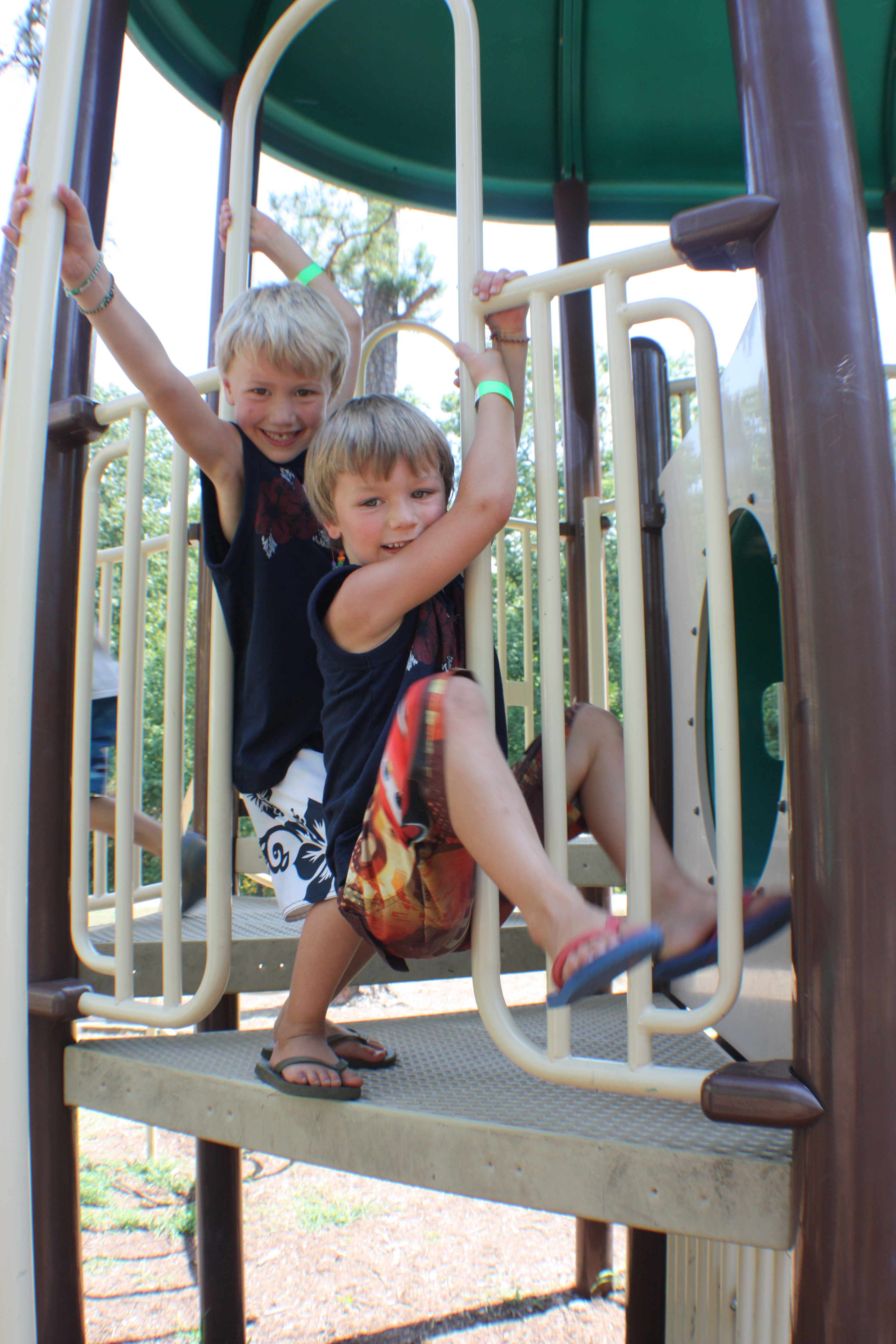
Motor skills for kids are the foundation of physical development, enabling children to interact with their environment and achieve milestones like walking, running, and balance. By age two, most children can stand, walk, and run, with these skills refining throughout childhood and into adulthood. Gross motor skills, involving large muscle groups and whole-body movement, develop in a head-to-toe order, with head control, trunk stability, and standing preceding walking. Outdoor play is crucial for developing these skills, with research showing that children exposed to regular outdoor activities exhibit better gross motor skills. As children progress, they build upon these foundational skills, incorporating finer movements and coordination, ultimately enhancing their overall physical abilities and confidence. The development of motor skills in kids is a complex process, influenced by a combination of genetic, environmental, and socio-economic factors. Understanding and supporting this development is essential for parents, educators, and healthcare professionals to ensure children reach their full potential. With the right guidance and opportunities, children can develop strong motor skills, setting them up for a lifetime of physical activity, health, and well-being. According to the World Health Organization, children should engage in at least 60 minutes of moderate-to-vigorous physical activity daily to support healthy development. The American Academy of Pediatrics also recommends that children participate in a variety of physical activities to develop their motor skills and overall physical fitness.
🎵 Origins & History
The development of motor skills in children has been a subject of interest for centuries, with ancient civilizations recognizing the importance of physical activity for overall health and well-being. The concept of motor skills as we understand it today, however, is a relatively modern development, with significant research and advancements in the field of pediatric physical therapy and child development. For instance, the work of Maria Montessori and her approach to child-centered education has had a lasting impact on our understanding of motor skills development. As noted by Jean Piaget, children's cognitive and motor development are closely intertwined, with each influencing the other in complex ways. The American Academy of Pediatrics has also played a crucial role in promoting healthy motor skills development in children, with guidelines and recommendations for parents and caregivers.
⚙️ How It Works
Motor skills for kids involve the development of large muscle groups and whole-body movement, which are essential for everyday activities like walking, running, and balance. These skills are built upon a foundation of head control, trunk stability, and lower limb strength, with children typically learning to stand and walk before refining their movements. The process of developing motor skills is complex and influenced by a combination of genetic, environmental, and socio-economic factors. Research has shown that children who engage in regular physical activity, such as those participating in Little League or other youth sports programs, tend to develop better motor skills than those who do not. Furthermore, the incorporation of technology, such as Wii Fit, can also enhance motor skills development in children. The National Federation of State High School Associations and the National Collegiate Athletic Association offer resources and guidelines for promoting physical activity and motor skills development in children.
📊 Key Facts & Numbers
Key facts about motor skills for kids include the importance of early childhood development, with most children achieving basic motor skills like standing and walking by age two. Regular outdoor play is also crucial, with children exposed to outdoor activities exhibiting better gross motor skills. Additionally, motor skills development is closely linked to cognitive and socio-emotional development, with children who develop strong motor skills tend to have better overall physical and mental health. According to the World Health Organization, children should engage in at least 60 minutes of moderate-to-vigorous physical activity daily to support healthy development. The American Academy of Pediatrics also recommends that children participate in a variety of physical activities to develop their motor skills and overall physical fitness. The work of researchers like Howard Gardner has also made significant contributions to our understanding of motor skills development and its relationship to cognitive and socio-emotional development.
👥 Key People & Organizations
Key people and organizations involved in the development and promotion of motor skills for kids include pediatricians, physical therapists, and educators. The American Academy of Pediatrics and the World Health Organization are prominent organizations that provide guidelines and recommendations for promoting healthy motor skills development in children. Researchers like Howard Gardner have also made significant contributions to our understanding of motor skills development and its relationship to cognitive and socio-emotional development. Moreover, organizations such as Boys and Girls Clubs of America and YMCA offer programs and activities that support the development of motor skills in children. The Let's Move campaign and the President's Council on Fitness, Sports & Nutrition also aim to promote physical activity and healthy lifestyles among children.
🌍 Cultural Impact & Influence
The cultural impact and influence of motor skills for kids can be seen in the way societies prioritize physical activity and outdoor play. In some cultures, outdoor play is highly valued and children are encouraged to engage in physical activity from a young age, while in others, sedentary activities like screen time may be more prevalent. The development of motor skills is also closely tied to socio-economic factors, with children from lower-income backgrounds often having less access to resources and opportunities for physical activity. However, initiatives like Let's Move and President's Council on Fitness, Sports & Nutrition aim to promote physical activity and healthy lifestyles among children from all backgrounds. The work of researchers like Dan Siegel and Tina Payne Bryson provides valuable insights into the interconnectedness of motor skills development and overall child development.
⚡ Current State & Latest Developments
The current state of motor skills development in kids is a subject of ongoing research and debate, with many experts expressing concern about the impact of sedentary lifestyles and screen time on children's physical and mental health. Despite these challenges, there are many initiatives and programs aimed at promoting healthy motor skills development, such as the Let's Move campaign and the President's Council on Fitness, Sports & Nutrition. Additionally, the incorporation of technology, such as Fitbit and other wearable devices, can also encourage children to engage in physical activity and develop healthy motor skills. The National Federation of State High School Associations and the National Collegiate Athletic Association offer resources and guidelines for promoting physical activity and motor skills development in children.
🤔 Controversies & Debates
Controversies and debates surrounding motor skills for kids include the role of screen time and sedentary activities in motor skills development, as well as the impact of socio-economic factors on access to resources and opportunities for physical activity. Some experts argue that excessive screen time can hinder motor skills development, while others suggest that it can have a neutral or even positive effect. The American Academy of Pediatrics recommends that children over the age of two limit their screen time to one to two hours per day, while the World Health Organization suggests that children under the age of five should have no screen time at all. The work of researchers like Howard Gardner has also made significant contributions to our understanding of motor skills development and its relationship to cognitive and socio-emotional development.
🔮 Future Outlook & Predictions
The future outlook for motor skills development in kids is promising, with many initiatives and programs aimed at promoting healthy motor skills development and reducing the risk of sedentary lifestyles and related health problems. As technology continues to evolve, it is likely that new and innovative approaches to promoting motor skills development will emerge, such as the use of virtual reality and augmented reality in physical education programs. Furthermore, the incorporation of artificial intelligence and machine learning can help personalize physical activity recommendations and motor skills development programs for children. The work of researchers like Dan Siegel and Tina Payne Bryson provides valuable insights into the interconnectedness of motor skills development and overall child development.
💡 Practical Applications
Practical applications of motor skills development for kids include incorporating physical activity into daily routines, such as walking or biking to school, and engaging in outdoor play and sports. Parents and caregivers can also support motor skills development by providing opportunities for children to practice and refine their skills, such as enrolling them in sports programs or providing access to outdoor play equipment. The National Federation of State High School Associations and the National Collegiate Athletic Association offer resources and guidelines for promoting physical activity and motor skills development in children. The work of researchers like Howard Gardner has also made significant contributions to our understanding of motor skills development and its relationship to cognitive and socio-emotional development.
Key Facts
- Year
- 2020
- Origin
- Global
- Category
- development
- Type
- concept
Frequently Asked Questions
What are motor skills for kids?
Motor skills for kids refer to the abilities that children develop to interact with their environment and achieve physical milestones like walking, running, and balance. These skills are built upon a foundation of head control, trunk stability, and lower limb strength, with children typically learning to stand and walk before refining their movements. According to the World Health Organization, children should engage in at least 60 minutes of moderate-to-vigorous physical activity daily to support healthy development.
Why are motor skills important for kids?
Motor skills are essential for overall physical and mental health, as they enable children to interact with their environment, achieve physical milestones, and develop cognitive and socio-emotional skills. Regular outdoor play and physical activity are crucial for developing gross motor skills, with children who engage in regular physical activity tend to have better overall physical and mental health. The American Academy of Pediatrics recommends that children participate in a variety of physical activities to develop their motor skills and overall physical fitness.
How can parents support motor skills development in kids?
Parents can support motor skills development by providing opportunities for children to practice and refine their skills, such as enrolling them in sports programs or providing access to outdoor play equipment. They can also incorporate physical activity into daily routines, such as walking or biking to school, and encourage children to engage in outdoor play and sports. The National Federation of State High School Associations and the National Collegiate Athletic Association offer resources and guidelines for promoting physical activity and motor skills development in children.
What are some controversies surrounding motor skills development in kids?
Controversies surrounding motor skills development in kids include the role of screen time and sedentary activities in motor skills development, as well as the impact of socio-economic factors on access to resources and opportunities for physical activity. Some experts argue that excessive screen time can hinder motor skills development, while others suggest that it can have a neutral or even positive effect. The American Academy of Pediatrics recommends that children over the age of two limit their screen time to one to two hours per day, while the World Health Organization suggests that children under the age of five should have no screen time at all.
What is the future outlook for motor skills development in kids?
The future outlook for motor skills development in kids is promising, with many initiatives and programs aimed at promoting healthy motor skills development and reducing the risk of sedentary lifestyles and related health problems. As technology continues to evolve, it is likely that new and innovative approaches to promoting motor skills development will emerge, such as the use of virtual reality and augmented reality in physical education programs. The work of researchers like Dan Siegel and Tina Payne Bryson provides valuable insights into the interconnectedness of motor skills development and overall child development.
How can technology support motor skills development in kids?
Technology can support motor skills development in kids by providing new and innovative approaches to promoting physical activity and motor skills development. For example, virtual reality and augmented reality can be used in physical education programs to make physical activity more engaging and fun for children. Additionally, wearable devices like Fitbit can encourage children to engage in physical activity and develop healthy motor skills. The National Federation of State High School Associations and the National Collegiate Athletic Association offer resources and guidelines for promoting physical activity and motor skills development in children.
What are some related topics to motor skills development in kids?
Related topics to motor skills development in kids include cognitive development, socio-emotional development, and physical activity. Readers may also be interested in learning more about the role of nutrition and sleep in supporting healthy motor skills development, as well as the impact of technology on children's physical and mental health. The work of researchers like Dan Siegel and Tina Payne Bryson provides valuable insights into the interconnectedness of motor skills development and overall child development.
How can educators support motor skills development in kids?
Educators can support motor skills development in kids by incorporating physical activity into daily routines, such as recess and physical education classes. They can also provide opportunities for children to practice and refine their skills, such as enrolling them in sports programs or providing access to outdoor play equipment. Additionally, educators can encourage children to engage in outdoor play and sports, and provide resources and support for parents and caregivers to promote motor skills development at home. The National Federation of State High School Associations and the National Collegiate Athletic Association offer resources and guidelines for promoting physical activity and motor skills development in children.
What are some practical applications of motor skills development for kids?
Practical applications of motor skills development for kids include incorporating physical activity into daily routines, such as walking or biking to school, and engaging in outdoor play and sports. Parents and caregivers can also support motor skills development by providing opportunities for children to practice and refine their skills, such as enrolling them in sports programs or providing access to outdoor play equipment. The National Federation of State High School Associations and the National Collegiate Athletic Association offer resources and guidelines for promoting physical activity and motor skills development in children.